
Polycystic Ovary Syndrome (PCOS) is one of the common causes of ovulation-related fertility difficulties. Irregular or infrequent ovulation can make it harder to predict the fertile window and achieve pregnancy naturally. However, having PCOS does not mean that pregnancy is not possible.
At Miraai Fertility, PCOS and fertility management focuses on understanding why ovulation is irregular, how PCOS is affecting your reproductive health, and what approach may help you conceive. Treatment is planned according to your menstrual pattern, ovarian function, metabolic health, fertility history, age, and your pregnancy goals.
With appropriate assessment and individualized care, many women with PCOS can be supported through ovulation management and, when needed, fertility treatments such as IUI or IVF.
Book a consultation with Dr. Priya Khamatkar to understand your fertility options with PCOS.
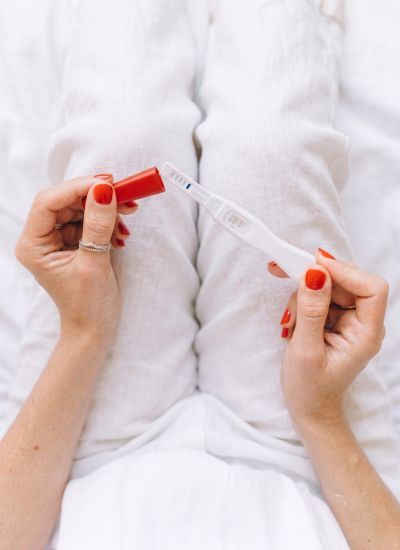
PCOS and fertility management is a personalised approach to helping women with PCOS overcome fertility challenges and improve their chances of conception.
PCOS can interfere with the regular development and release of an egg from the ovary. When ovulation happens infrequently or unpredictably, identifying the fertile period becomes difficult and conception may take longer.
Fertility management does not mean treating every woman with PCOS in the same way. Some women may need support with ovulation alone, while others may require a more comprehensive fertility evaluation or assisted reproductive treatment.
The aim is to identify the specific fertility barrier and choose the least intensive treatment that is appropriate for the individual situation.
The main fertility concern associated with PCOS is irregular ovulation.
During a typical menstrual cycle, an egg develops and is released from an ovary. In PCOS, hormonal changes can interfere with this process, resulting in:
Some women with PCOS may still ovulate periodically and conceive naturally, while others may need medical assistance to restore or induce ovulation.
PCOS can also occur alongside other factors that influence fertility, which is why fertility evaluation should consider the whole couple rather than focusing only on the menstrual cycle.
A fertility consultation may be useful if you have PCOS and:
You do not necessarily need to wait for a prolonged period of trying if your cycles are very irregular or there is a known reason to suspect ovulation problems.
PCOS can affect conception in different ways, and the fertility challenge is not identical for every woman.
When ovulation does not occur regularly, there are fewer predictable opportunities for the egg and sperm to meet.
Irregular cycles can make calendar-based fertility tracking less reliable. Ovulation monitoring may provide a clearer understanding of whether and when ovulation is occurring.
Even when ovulation occurs occasionally, unpredictable cycles can make timing intercourse more difficult and may contribute to longer time to pregnancy.
Insulin resistance, weight changes and other metabolic factors can occur alongside PCOS and may be relevant when planning fertility care.
Not every fertility difficulty in a woman with PCOS is caused by PCOS. Sperm-related factors, tubal problems, age-related changes and other reproductive conditions may also contribute. This is why an individualized fertility assessment is important before deciding on treatment.
Before starting fertility treatment, your doctor may evaluate both your reproductive health and factors that could influence ovulation and conception.
Your cycle pattern can provide important clues about whether ovulation is occurring regularly. Your doctor may discuss:
Depending on your individual situation, blood tests may be recommended to assess reproductive hormones and other conditions that can influence ovulation.
An ultrasound may help evaluate the ovaries and uterus and provide information relevant to fertility planning.
Depending on your history, your fertility assessment may also consider blood sugar regulation, insulin-related factors, thyroid function or other metabolic concerns.
Male fertility factors can contribute to difficulty conceiving even when PCOS is present. A semen analysis may therefore be recommended as part of a couple-based fertility evaluation.
If clinically appropriate, your doctor may recommend an assessment of the fallopian tubes to determine whether there are any structural barriers to natural conception or IUI.
Lifestyle support can be an important part of fertility management for PCOS, particularly when metabolic health or weight is relevant.
The goal is not simply weight loss. Fertility-focused lifestyle care aims to support overall metabolic and reproductive health while preparing the body for pregnancy.
Depending on your individual needs, your fertility plan may include guidance around:
Nutritional requirements can vary significantly between individuals, particularly when preparing for pregnancy. Your fertility specialist can help determine what changes are appropriate for you.
For women whose main fertility challenge is irregular or absent ovulation, ovulation management may be an important first step. The approach depends on factors such as age, ovarian function, duration of infertility, other fertility findings and previous treatment.
Ultrasound monitoring can help assess follicular development and determine whether an egg is likely to be released.
Certain medicines may be prescribed to encourage the development and release of an egg. The choice of medication and dose depends on the individual's medical and reproductive profile.
If ovulation is successfully established, intercourse can be planned around the fertile period.
In selected treatment cycles, medication may be used to help time ovulation once an appropriate follicle has developed.
Treatment is monitored carefully because the response to medication can vary between women.
In some women with PCOS, ovulation treatment combined with Intrauterine Insemination (IUI) may be considered when appropriate.
IUI involves placing prepared sperm directly into the uterus around the time of ovulation.
It may be considered when:
The decision is based on the complete fertility assessment rather than the diagnosis of PCOS alone.
IVF is not automatically required simply because a woman has PCOS.
However, IVF may become an option when there are additional fertility factors or when less intensive approaches have not been successful.
IVF may be considered in situations involving:
Women with PCOS can respond strongly to ovarian stimulation, so fertility treatment should be carefully individualized and monitored by an experienced fertility specialist.
At Miraai Fertility, PCOS-related fertility care is planned around your reproductive goals rather than a one-size-fits-all treatment protocol.
The actual pathway depends on your age, cycle pattern, fertility history, ovarian response, partner's fertility assessment and other relevant findings.
The aim is to avoid unnecessary treatment while ensuring that fertility concerns are addressed at the right time.
If pregnancy does not occur after appropriate ovulation management, your fertility specialist may reassess the situation rather than simply continuing the same treatment.
This may involve reviewing:
Depending on the findings, your treatment plan may be modified or assisted reproductive treatment may be discussed.
The next step should always be based on why pregnancy has not occurred, rather than PCOS alone.
There is no single timeline for fertility treatment in PCOS.
Some women may need only a few monitored cycles of ovulation management, while others may require additional investigations or assisted reproductive treatment.
The timeline depends on:
Your fertility specialist can explain the expected treatment pathway after completing your assessment.
Fertility treatment for PCOS can be appropriate when carefully selected and medically monitored.
One important consideration is that women with PCOS may sometimes produce multiple follicles in response to ovulation-inducing medicines. This can increase the possibility of multiple pregnancy or other treatment-related complications.
For this reason, fertility medications should be taken only under appropriate medical supervision, with monitoring when required.
Your doctor may adjust medication, change the treatment plan or occasionally cancel a cycle if the ovarian response is not considered suitable for safe continuation.
Yes. PCOS does not mean that natural pregnancy is impossible.
Many women with PCOS ovulate and conceive naturally, while others may require treatment to help regulate or induce ovulation.
The important question is not simply whether you have PCOS, but how PCOS is affecting your ovulation and whether any other fertility factors are present. A fertility assessment can help determine the most appropriate next step.
Trying to conceive with irregular periods can be emotionally challenging.
Not knowing when ovulation is occurring, seeing unpredictable cycles or undergoing repeated fertility treatments can create stress and uncertainty.
At Miraai Fertility, fertility care is approached with sensitivity and clear communication. Understanding why a treatment is being recommended and what the next step involves can make the fertility journey easier to navigate.
You should not have to feel that every irregular period means another setback. Fertility management is a step-by-step process designed around your individual circumstances.
MBBS, MS (OBGYN), FRM
Fellowship in Reproductive Medicine
Director, Advanced Fertility Care Center
Dr. Priya Khamatkar is a fertility specialist focused on personalised and evidence-based fertility care. With expertise in fertility evaluation and assisted reproductive techniques, she works with couples to understand their fertility concerns and explore appropriate treatment options.

Her approach combines medical expertise with compassionate communication, helping patients feel informed and supported throughout their fertility journey.
If PCOS is making conception difficult, you do not have to navigate irregular cycles and fertility treatment decisions alone. A detailed fertility assessment can help identify whether irregular ovulation is the primary concern and whether you may benefit from lifestyle support, ovulation management, IUI or another fertility treatment.
Shop 1 & 2, The Signature, near HP Petrol Pump,
Seawoods West, Sector 44A, Seawoods,
Navi Mumbai, Maharashtra – 400706

MBBS, MS (OBGYN), FRM
Director & Lead Fertility Specialist